

Volleyball is more than a contest of skill and teamwork—it is a sport deeply connected to emotion. Every match result, whether victory or defeat, carries a powerful psychological impact on players, coaches, and supporters alike.
For athletes, winning a match often brings a sense of achievement and validation. It reflects the hard work invested in training and preparation. Success can boost confidence, strengthen team chemistry, and create positive momentum for upcoming competitions. Players who experience consistent victories often develop a stronger belief in their abilities, which can influence future performances.
On the other hand, losses can be emotionally challenging. Defeat may lead to disappointment, frustration, and self-reflection. However, it also serves as a learning opportunity. Many teams use setbacks to analyze mistakes, refine strategies, and return stronger. The emotional response to losing often determines how effectively a team can recover and improve.

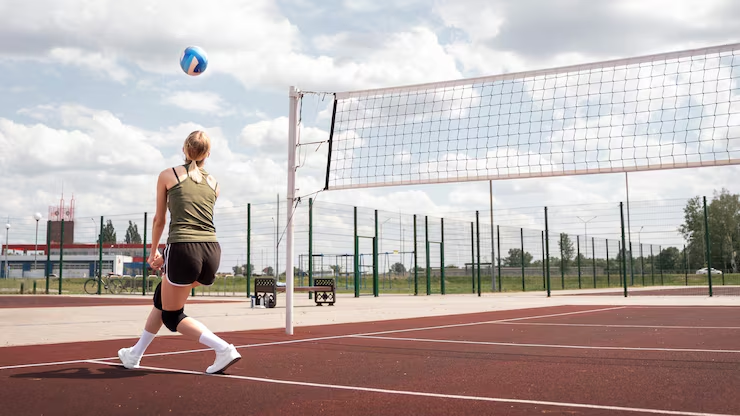
Team dynamics are closely tied to match outcomes. A win can enhance communication and trust among teammates, while a loss may test relationships and leadership within the group. Strong teams are those that can maintain unity regardless of results, using both success and failure as tools for growth.
Fans also experience a wide range of emotions based on match results. Exciting victories can create moments of joy and celebration, while unexpected defeats may bring disappointment. These emotional connections are part of what makes volleyball so engaging, as supporters feel personally invested in their team’s journey.
The atmosphere during matches further amplifies these feelings. Crowd energy, player reactions, and crucial points all contribute to the emotional intensity of the game. Close matches, in particular, can create dramatic swings in mood, keeping everyone on edge until the final point.
Mental resilience plays a key role in managing these emotional effects. Players who can stay focused and composed, regardless of the score, are better equipped to handle pressure situations. Coaches often emphasize psychological preparation alongside physical training to ensure athletes remain balanced throughout competition.
Over time, repeated experiences with different outcomes help shape an athlete’s mindset. Learning how to celebrate responsibly and cope with setbacks builds maturity and long-term stability in performance.
In the end, volleyball match results are not just numbers on a scoreboard. They represent moments of passion, challenge, and growth. The emotional impact they create is a vital part of the sport, connecting everyone involved and making each match a meaningful experience.